





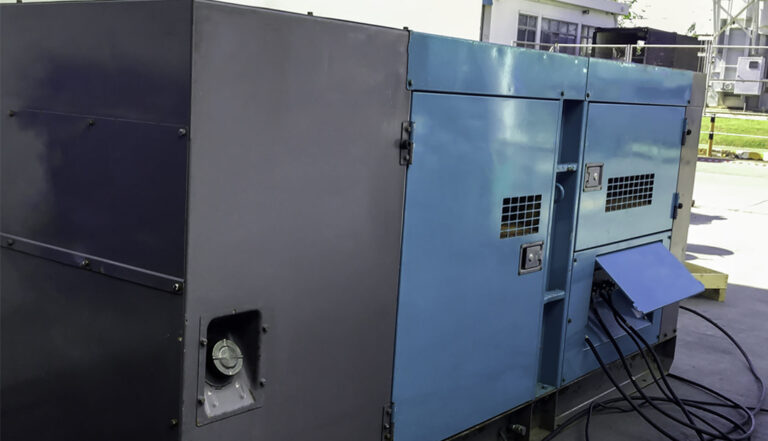
There are important points that we will discuss in this article when installing and operating the generator.
فهرست مطالب
- 1 There are important points that we will discuss in this article when installing and operating the generator.
- 1.1 Generator selection
- 1.1.1 Generator installation steps:
- 1.1.2 Safety tips for generator installation:
- 1.1.3 generator test checklist:
- 1.1.4 Frequently asked questions about generator installation and operation:
- 1.1.5 When is the best time of the year to install a permanent generator?
- 1.1.6 How long does it take to install the generator?
- 1.1.7 How do I power a permanently installed generator when I have no fuel source?
- 1.1.8 How much does an automatic generator work?
- 1.1 Generator selection
While working with generators is easy and they have the ability to function automatically during power outages, if standard methods are not used during the installation and operation of the generator or even its service and maintenance, it can be dangerous and cause a lot of financial damage. impose on you
Farhad Fan Andish Farda advises to use an expert to install and operate the generator.
Generator selection
When choosing the required generator
– In the case of a portable generator, only a limited number of appliances can receive energy in the event of a power outage.
For this reason, it is necessary to determine the “fixed power” which is the sum of the powers of each individual device that you want to maintain its performance.
– Motorized appliances such as refrigerators, freezers, and air conditioners require three times their constant power during startup.
The selected generator must meet or exceed the “constant power” rating and have a “voltage rating” that exceeds the “start voltage”.
– The voltage level of the equipment and devices you want to work must match.
Generator installation steps:
Equipment should always be serviced and repaired only by authorized service dealers or qualified and licensed installation technicians who have a thorough knowledge of applicable procedures, performance standards, codes and regulations.
1- To start the generator when opening the package, first a detailed inspection is done to determine possible damages during transportation.
2-Check whether the amperage/watt capacity of the unit is suitable for bearing all the considered loads during a power outage.
3- The generator must be placed outdoors in a protective enclosure, where there is sufficient air for cooling and ventilation.
It should also be placed on a level, non-combustible and conductive surface, slightly above ground level, to prevent water level rise in contact.
4- The generator should be installed near the location of the transfer switch and the fuel source to reduce the length of cabling and piping, respectively.
6- All batteries must be fully charged before being placed in the generator.
7- The switch must be installed on a wall and all points must be on the same level with each other to prevent it from tilting.
8- The generator must be connected to the electrical system only using the automatic transfer switch. This ensures isolation between the electrical system of the generator and the software distribution system.
Safety tips for generator installation:
1- General risks
– Installation, maintenance and maintenance must always be in accordance with the manufacturer’s instructions and recommendations.
– Exhaust fumes emitted by generator sets contain toxic gases such as carbon monoxide, which can be dangerous.
– The surroundings of the generator must be clean and free of any combustible material.
– The equipment must be regularly inspected and defective or damaged parts replaced in time.
It is necessary that the employees are always alert when working with the generator.
During operation, the generator must not be open or its parts must be separated, and before starting work on the generator, the battery cables must be disconnected to avoid accidental ignition.
2- Electrical hazards
– When installing or starting the generator, all sources of electrical voltage must be turned off from the source.
– To avoid electric shock, all electrical connections must be properly insulated and must not be touched with bare hands or in contact with water.
– The frame of the generator and every external conductive part must have proper ground wiring and this connection must never be disconnected.
– Wiring, cables and wire sets must have the recommended capacity.
3- The dangers of fire and explosion
Smoking near the equipment can be very dangerous.
– Leakage of fuel or oil and the presence of combustible materials around the generator creates the risk of explosion.
A fire extinguisher should be readily available.
* The use of extinguishers that work with carbon tetrachloride is prohibited because they have toxic vapors and can damage the insulation of generator wiring.
generator test checklist:
After the generator is installed, it should be tested to ensure that all systems and components are properly engineered and installed before starting the generator.
Following the start-up checklist after installation is very important to keep the generator running.
When working with a power distribution network and testing whether the local network can accept power, safety should always be the first priority.
Before planning to start the generator, it is important that the fuel system, starting system, air flow, electrical system and the site (location) are thoroughly checked to ensure the generator will function properly.
1- Generator fuel system
First, check that the fuel tank is full and the oil level is correct.
By referring to the generator installation guide given to you by the distributor, you can find out about its fuel consumption.
2- Generator start system
To start the generator, batteries must be installed and connected.
3- Generator air flow
Generators need a large space for proper air flow.
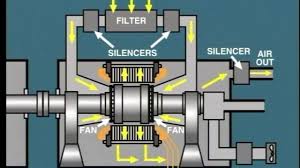 Area specifications are shown in the installation manual.
The air filter should also be cleaned and inspected before starting the generator.
4- سیستم الکتریکی ژنراتور
The output voltage of the generator must match the facilities it supplies.
It is also important to use the appropriate wiring accessories for communications and electrical wiring.
Covered cables must be used to connect the generator.
5- The site (location) of the generator
After completing the operational part of the generator test checklist, it is very important to check the site itself for potential hazards.
All debris should be cleared from the site, and there should be a clear path for engineers to carry out commissioning operations.
Once all site codes are met and your team is properly trained to set up, the generator is ready to go.
Frequently asked questions about generator installation and operation:
When is the best time of the year to install a permanent generator?
Smaller units can usually be installed at any time of the year, but larger units (20 kW and above) can present a challenge to installers if the ground freezes.
These larger generators sometimes require digging a pit or pouring a concrete pad.
Some companies can solve this problem if they have equipment to melt the ground ice.
We recommend that you start the process, even if the installation of the device is stopped until the ice melts.
How long does it take to install the generator?
Installation and commissioning of the generator takes only 1-2 days.
How do I power a permanently installed generator when I have no fuel source?
Automatic generators can run on natural gas or liquid propane.
In addition, the expert can install the fuel source in addition to the generator installation.
How much does an automatic generator work?
If your generator is properly maintained, it will work as long as its fuel supply remains uninterrupted.

