
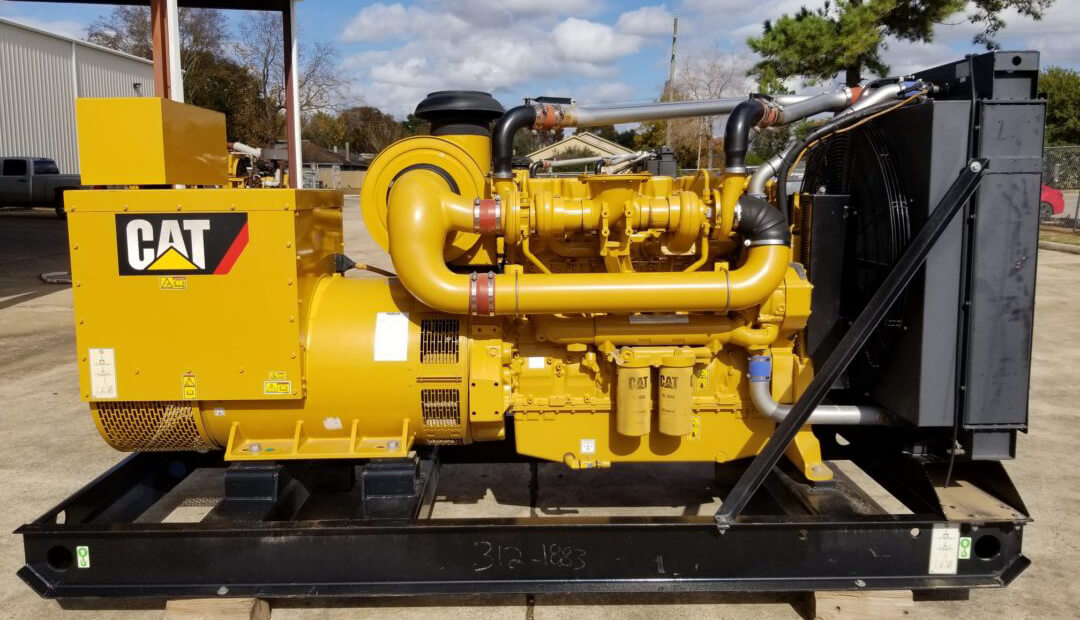
When buying a generator, what kind of generator do you need?
فهرست مطالب
To answer this question, it is better to familiarize yourself with the types of generators.
Generators are available in different sizes, models and designs, which are produced by many companies.
Therefore, before buying a generator, we have briefly explained the different types of generators that you should know about:
Types of generators
1-Portable generator
Portable generators have many different uses.
Because they have different power configurations and are suitable for different uses.
Portable generators are useful during natural disasters or during grid power outages.
They provide power during scheduled or unscheduled power outages.
They are mostly used for residential purposes and smaller commercial centers such as shops and retail stores, on construction sites for powering smaller tools, camping, outdoor weddings, outdoor events and supplying agricultural equipment such as drilling wells or irrigation systems. Drip irrigation is suitable.
2-Inverter generator
Inverter generators generate AC power using a rectifier that converts AC power to DC and then inverts it to AC to provide stable current for appliances. These are very useful for appliances such as air conditioners, refrigerators, cars, boats and recreational vehicles that require specific amounts of voltage and frequency, which inverter generators are able to supply.
They are also lightweight and compact, making them ideal for such applications.
3-Standby generator (ready to work)
Standby generators are designed to automatically turn on when there is a power outage.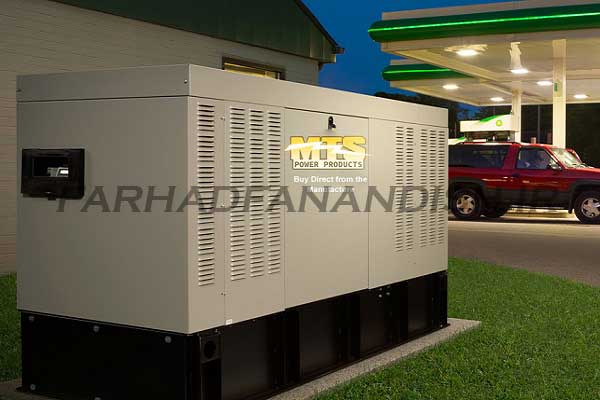
These are very useful for residential apartments, hotels, restaurants, hospitals and commercial establishments connected to grid electricity.
4- induction generator (asynchronous)
These include two types: independent excitation generators and self-excitation diesel generators.

Independent excitation generators are used in demanding applications in hoists, cranes, elevators and electric locomotives.
Self-excitation generators are used in windmills where wind is converted into electrical power as a non-traditional source of energy.
5-Industrial generator – residential generator
Industrial generators are generally large in size and can provide large amounts of power for long periods of time.
As the name suggests, they are generally used in industries where the demand for electricity is high.
On the other hand, residential generators are small in size and provide power up to a certain range. They are suitable for use in homes, small shops and offices.
6- air cooled generator – water cooled generator
Air-cooled generators rely on air to provide the cooling function of the generator. Except for the air intake system, no additional parts are used.
Water cooled generators rely on water for cooling and use a separate system to achieve this function.
Water-cooled generators require more maintenance than air-cooled generators.
– Output power
The output power range of diesel generators is very wide and can be classified accordingly.
For example, a 3kw diesel generator can be used to run electrical tools or household appliances such as air conditioners, computers, multiple ceiling fans, etc. They are suitable for use in small offices, shops and homes.
While a 2000Kw diesel generator is suitable for use in large industries or places with high power demand.
Specifications that you should consider before buying a generator
– power
Before buying a generator or even renting a generator, it is necessary to consider the amount of power required by the house or company. According to the needs of different places, generators from 2.5 Kw to more than 2000 Kw can be used.
– Phase
Generators are available for single-phase and three-phase connections. Consider whether your home/company has a single-phase or three-phase connection and choose a suitable one accordingly.
– Fuel consumption
Fuel consumption is one of the most important things to consider when buying or renting a generator.
Consider the generator’s fuel consumption per hour and kilowatt-hours (or kilowatts), as well as the fuel efficiency it provides with respect to load.
Control systems and power management systems
Generators with the ability to automatically transfer power from the grid to the generator during a power outage and vice versa, display warning (lack of fuel and other performance problems) along with providing a wide range of analysis data, help increase its efficiency.
The power management system helps to optimize fuel consumption and generator performance according to the load.
– Portability and size
A generator with a set of wheels helps reduce the hassle of transportation. Also keep in mind that it should be sized according to your storage space.
– Noise
If the generator is located nearby in the workplace, its loud noise can be a problem. Sound absorption technology in some generators greatly reduces the sound emitted by it. (silent generators)

