


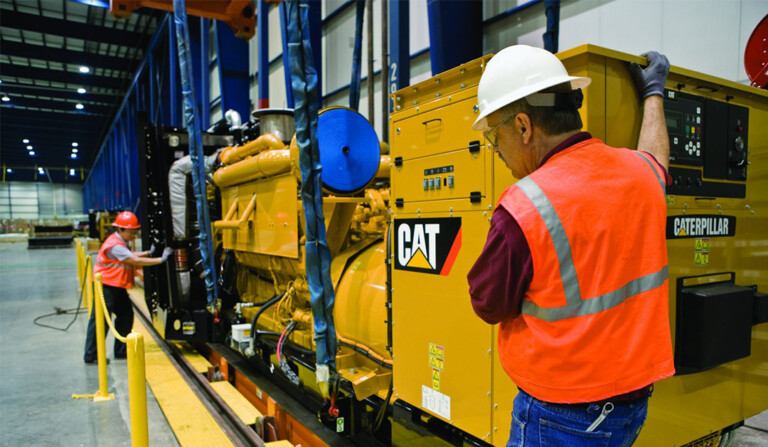
The main purpose of having a generator is to supply your electricity needs during power outages.
So, if you don’t want your power backup to fail, it’s a good idea to make sure your generator is in top condition or have it repaired if needed.
You can do this easily by checking the following signs that the generator may need repair:
1- Your generator has a problem to start
فهرست مطالب
When your generator refuses to start, there are several reasons why this may happen.
Is there fuel in the tank? This may seem like a simple solution, but sometimes it is.
– Check the oil level. If the level is low, add oil. Keep in mind that trying to use the generator on an uneven surface may cause the low oil sensor to activate even when there is enough oil.
– Check the fuel valve.
– Sometimes sediment can block the fuel path, especially when the fuel is stagnant in the tank for a long time.
– The candle may need to be cleaned or replaced. (Gas-burning generators)
– The battery may be dead.
When starting the generator, make sure that nothing is connected to it.
If the air filter is dirty, it may block the flow of oxygen and prevent your generator from starting.
2-Low power flow
Have you checked your electricity?
If your generator is not producing as much energy as it should, there may be a problem with the main phase selector switch or the control panel. (Do not attempt to repair it yourself)
If you think the problem is a lack of electricity, call a professional to schedule a repair.
3- The electrical components of the generator were worn out
Most wear on electrical components may be visually visible.
Some cases:
Worn out wiring
bare wires
Worn, cracked or missing control knobs
Loose connections
4- There may be internal or external leakage
Oil or coolant leaks are usually easy to detect. If your generator is leaking fuel, you may also notice a diesel smell.
Move it to a well-ventilated area and check the fuel hoses and lines for signs of cracks, tears, or punctures. Fluid loss can also be caused by storage container failure.
Running a leaking generator is dangerous, so find the cause immediately.
5-Damage to the body
Something may have hit the body.
Damage to the exterior is usually not an issue, but check the hoses, wires, and fuel lines for wear or tears.
6- Low battery
Just like a car, generator batteries get weak when they are not used much.
Measure the voltage regularly using a voltmeter. Look for corrosion around the cables and clean with a wire brush if needed. Make sure that if you put the battery on the charger, it is for the correct voltage.
If needed, electrolyte can be added to ordinary batteries.
If you have a maintenance-free battery, you won’t be able to access any of the cells, and if your battery is more than three years old, it’s best to replace it.

